If you are thinking about buying a rental home in Moreno Valley, the biggest question is not just what you can buy. It is whether the property fits how renters in this city actually live. When you understand local demand, likely rent ranges, and the real carrying costs, you can make a much more confident decision. Let’s dive in.
Moreno Valley rental demand starts local
Moreno Valley is a large and growing city, with a population of 208,634 in the 2020 Census and 2.5% growth from 2020 to July 1, 2024. At the same time, 62.8% of housing units are owner-occupied, which means the market is still primarily made up of homeowners, but there is a meaningful and active renter segment.
That renter segment matters for investors. Point2Homes reports about 19,948 renter-occupied units, roughly 37% renter occupancy, and a rental vacancy rate of 2.8%. In simple terms, Moreno Valley does not look like a market with weak rental demand.
Property types that fit Moreno Valley
Moreno Valley’s housing stock is heavily weighted toward single-family homes. The city’s housing element reports 47,505 single-family units, 8,654 multifamily units, and 1,364 mobile homes, which works out to 82.6% single-family and 15.0% multifamily.
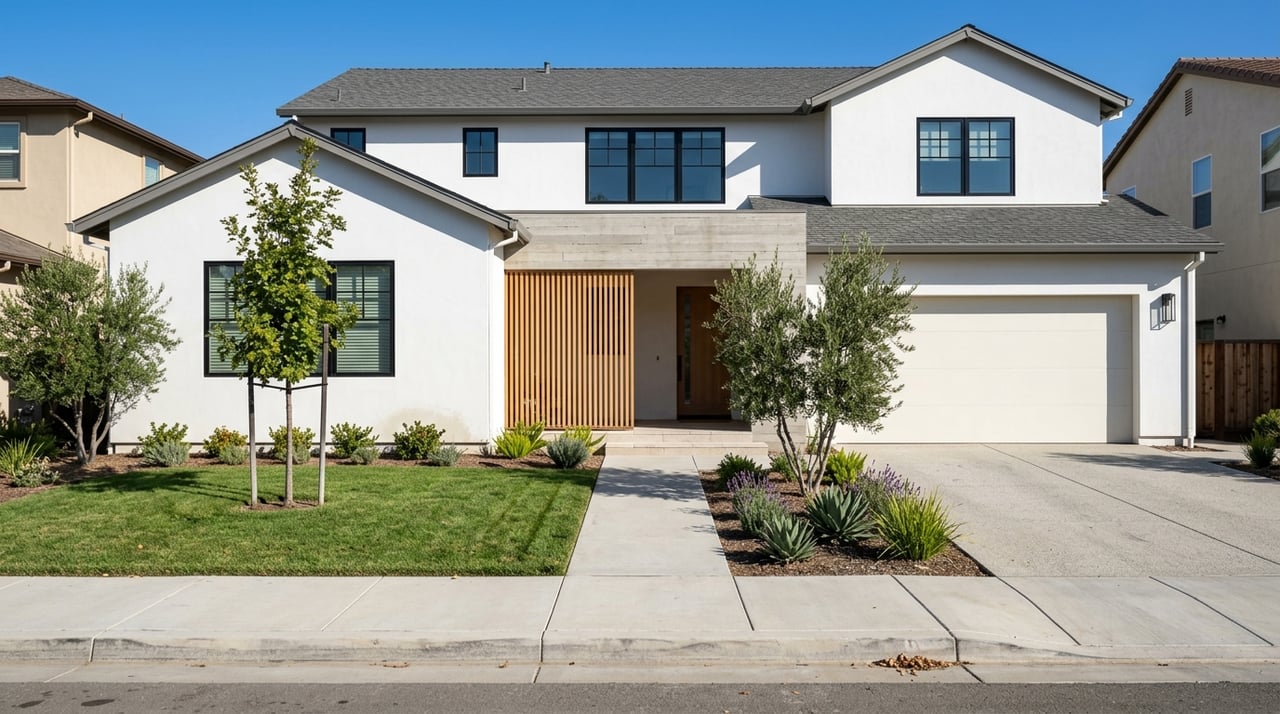
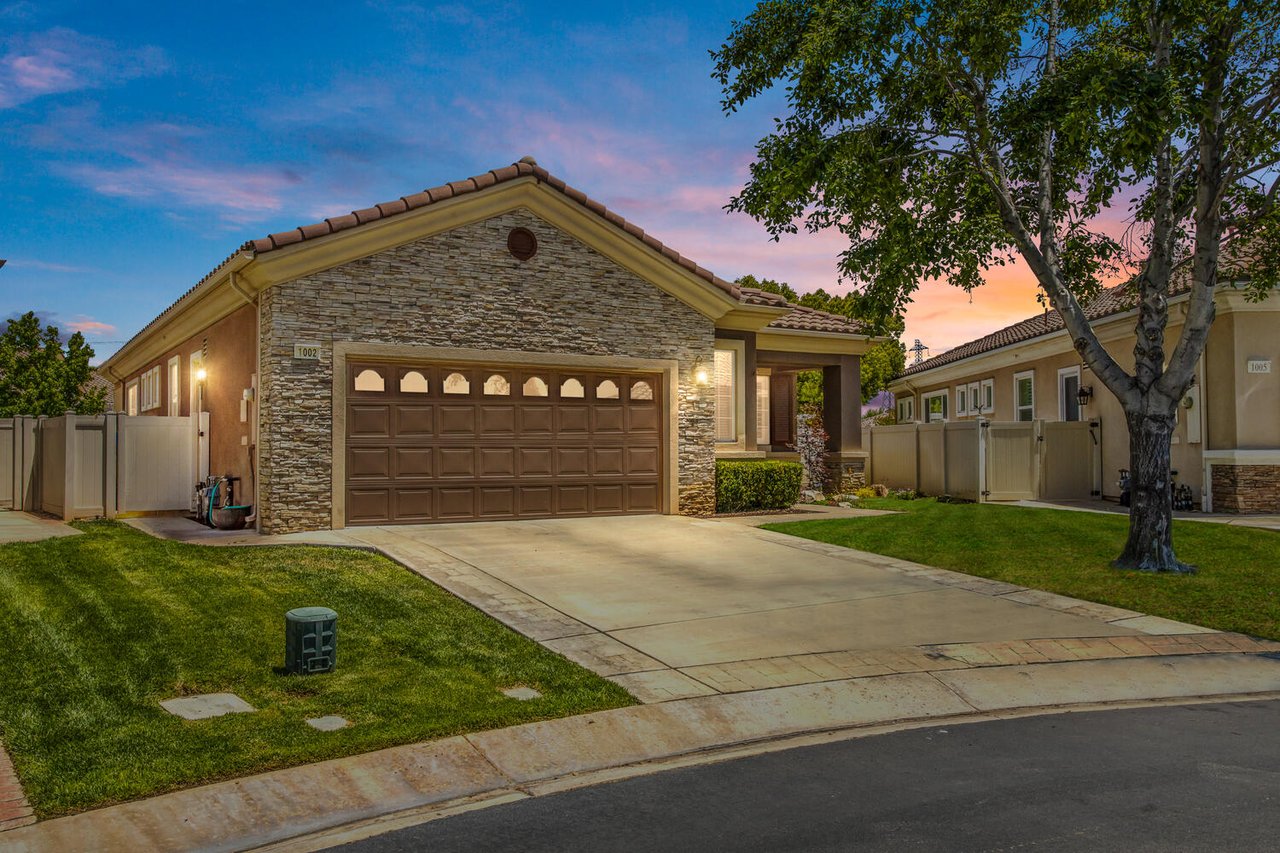
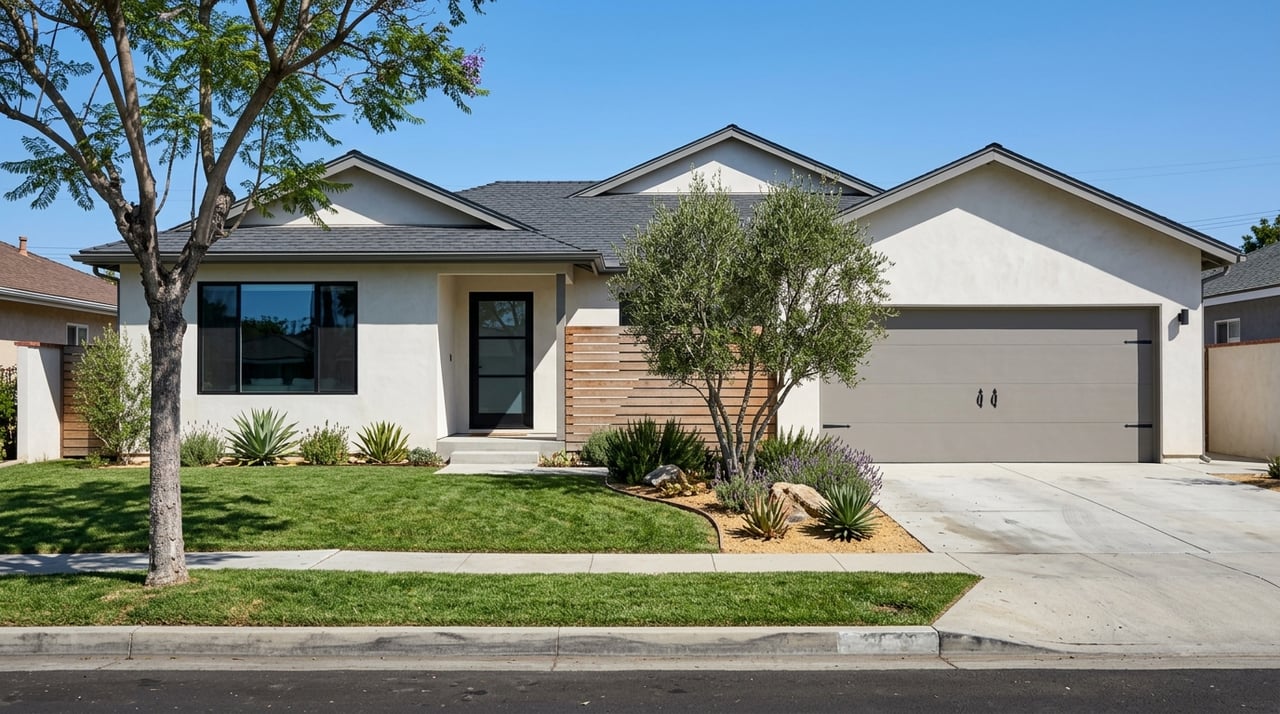
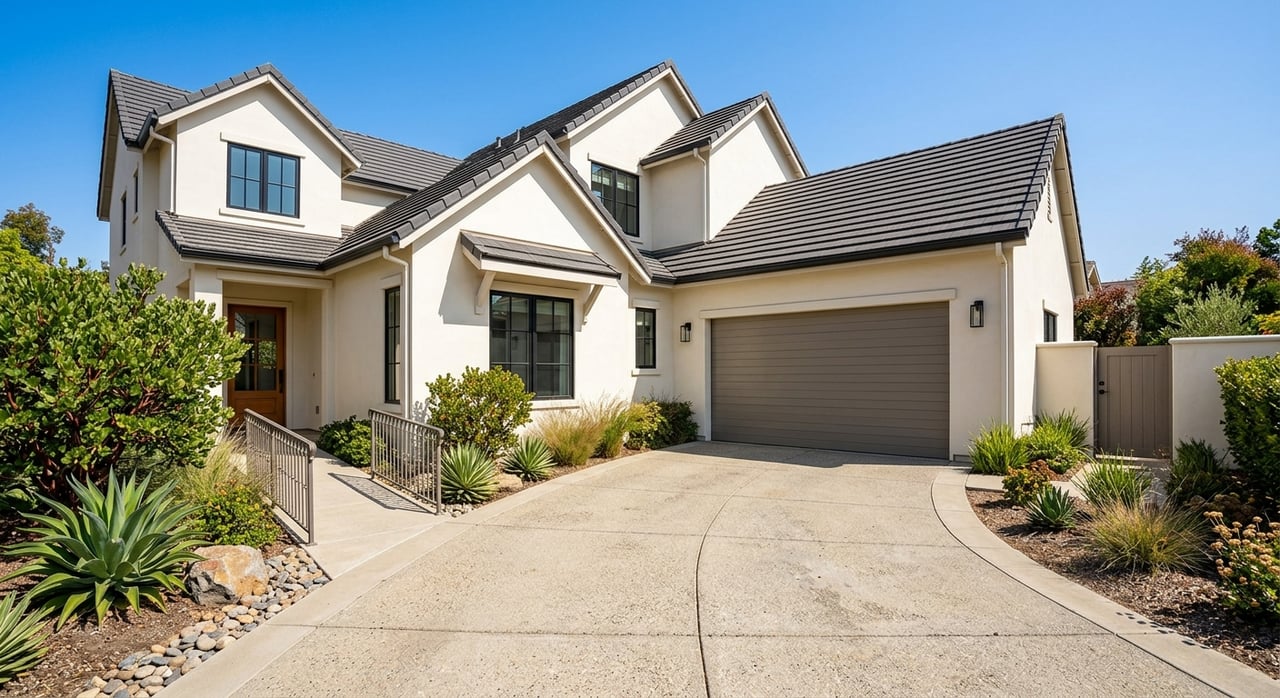
That matters because your best rental opportunity may not look like a dense apartment play. In Moreno Valley, detached homes, townhome-style properties, and properties with ADU potential may line up better with the city’s existing housing mix and renter needs.
Why single-family rentals stand out
The local renter profile suggests many households need practical space. Point2Homes shows an average renter household size of 3.77, and 54% of rental homes have children under 18.
This points to a renter pool that often values room count, storage, parking, and usable living space. If you are comparing a small unit to a three-bedroom home with a driveway or garage, the larger home may serve a wider slice of the local market.
Why bedroom count matters
Point2Homes reports 6,179 two-bedroom units and 6,131 three-bedroom units in the rental stock. The city’s housing element also notes that 93% of owner-occupied units have three or more bedrooms, compared with only 53% of renter-occupied units.
That suggests larger rental homes may be relatively limited compared with how many households could use them. If you are buying for long-term occupancy, bedroom count may be one of the most important filters in your search.
Features renters may value most
A good rental home is not only about square footage. It is about whether the home matches everyday life in Moreno Valley.
Transportation is a useful example. Point2Homes reports that 24,742 renter householders drove alone to work, and 37% of renter households had two vehicles available. That makes parking, garage space, driveway access, and practical commuting routes important value points.
Look beyond cosmetic appeal
A home with easy parking may compete better than a prettier home with a tighter setup. The same can be true for floor plans that offer flexible bedrooms, a usable yard, or storage areas that help support daily routines.
This does not mean every renter wants the same thing. It does mean that in Moreno Valley, practical features often deserve as much attention as finishes and upgrades.
What rent is realistic in Moreno Valley
This is where buyers need to stay careful. Rental data sources do not match exactly because they use different property samples and methods.
As of May 2026, Apartments.com reports an average Moreno Valley rent of $1,877, with about $2,230 for two-bedroom units and about $2,607 for three-bedroom units. Point2Homes reports an average apartment rent of $2,151, while Zillow shows an all-property-type average of $2,596.
How to read the rent numbers
Taken together, these figures suggest many apartment-style rentals land in the high-$1,800s to mid-$2,000s. Larger homes or single-family rentals can trend higher depending on size and property type.
Point2Homes also reports that 52.25% of Moreno Valley rentals fall in the $2,000 to $2,500 range. That makes the low-to-mid $2,000s a helpful benchmark when you are evaluating many local rental opportunities.
Use broad data as a starting point
Market averages are useful, but they are not pricing instructions. A home’s actual rent potential can vary based on bedroom count, layout, parking, condition, and whether the property feels easy to live in.
If you are underwriting a purchase, it helps to treat average rent data as a first screen. From there, you can compare the property more closely against similar local rentals.
Run the numbers past the mortgage
One of the most common mistakes buyers make is focusing too much on the purchase price and monthly loan payment. For a rental home, your true cost picture is wider.
The Census Bureau’s estimates show a median gross rent of $2,036 and a median owner-occupied home value of $461,400. Used only as a rough screen, that works out to a gross rent-to-value ratio of about 5.3%, but that is not the same thing as a cap rate.
Budget for actual ownership costs
Your budget should include more than principal and interest. The research report identifies common rental expense categories such as insurance, taxes, repairs, management fees, maintenance, utilities paid by the owner, legal and professional fees, and other recurring operating costs.
That broader view gives you a much clearer sense of whether the property still works if repairs come up or rent growth is slower than expected. A deal that looks good on a listing sheet can feel very different after real operating expenses are added.
Property taxes are not always simple
In California, buyers should not assume property taxes are a flat 1%. The Legislative Analyst’s Office notes that tax bills can include the 1% base rate plus voter-approved debt rates, parcel taxes, Mello-Roos taxes, and assessments.
That is especially important if you are looking at a newer subdivision or a property located in a special district. Before closing, verify the actual parcel-level bill so your monthly numbers are based on reality, not estimates.
Moreno Valley rental rules to confirm
Before you market a property for rent, make sure you understand the local requirements. Moreno Valley requires a business license for rental property, and the city’s landlord guidance states that state law governs the landlord-tenant relationship.
That means compliance should be part of your pre-closing review, not an afterthought. If the home is already tenant-ready, you still want to confirm the local requirements that apply to ownership and operation.
ADU plans need extra review
If you are considering a property with an accessory dwelling unit, or hoping to add one later, Moreno Valley has specific rules. The city’s ADU FAQ states that permits are required, all ADUs except Jr ADUs need a new address, free-standing ADUs require solar panels, and the city does not allow short-term rentals.
That last point is especially important if your investment idea depends on short-term rental income. In Moreno Valley, you should evaluate ADUs as part of a longer-term housing strategy, not a short-term rental play.
Older housing stock may mean more upkeep
Another factor to watch is age. Point2Homes reports that 32% of renter-occupied units were built in the 1980s, 21% in the 2000s, and 18% in the 1990s.
For buyers, that means many available properties may not be truly turnkey. You may want to plan for ordinary maintenance, system updates, and periodic larger replacements even if the home shows well today.
Inspect with long-term ownership in mind
A rental home does not need to be luxury-finished to perform well. It does need durable systems, manageable upkeep, and a condition profile that supports stable occupancy.
When you review properties, think beyond paint color and staging. Pay attention to roof age, major systems, exterior wear, and the kinds of repairs that can interrupt cash flow after closing.
A simple way to evaluate a Moreno Valley rental
If you want a practical framework, start with these questions:
- Does the property match Moreno Valley’s renter profile, especially households that may want more bedrooms and functional space?
- Is the expected rent supported by current local ranges for similar property types?
- Are parking, commuting access, and layout strong enough to stay competitive?
- Have you verified taxes, assessments, insurance, and operating costs?
- If there is an ADU, have you confirmed permits and city requirements?
- Does the home’s age and condition fit your maintenance budget?
This kind of checklist can keep you focused on the basics that drive occupancy and long-term performance. It also helps you avoid chasing a property that looks good at first glance but does not pencil out once the details come into focus.
The bottom line for Moreno Valley buyers
Buying a rental home in Moreno Valley can make sense when the property lines up with local demand, realistic rent levels, and the full cost of ownership. In this market, homes with practical space, solid parking, and family-friendly layouts may deserve extra attention because they fit how many renters in the city actually live.
The key is to buy with clear eyes. When you pair neighborhood-level insight with careful numbers, you put yourself in a much better position to choose a property that supports your goals over time.
If you want help evaluating Moreno Valley homes, rent potential, and the details that can affect your return, Casey Garduno can guide you through the process with local insight and hands-on support.
FAQs
What type of rental property makes sense in Moreno Valley?
- Moreno Valley is heavily single-family, and local renter data suggests many households need practical space, so detached homes, townhome-style properties, and homes with ADU potential may be worth a close look.
What is a realistic rent range for a Moreno Valley rental home?
- As of May 2026, available data suggests many apartment-style rentals fall in the high-$1,800s to mid-$2,000s, while larger or single-family homes may rent for more depending on size, condition, and features.
What costs should you budget before buying a Moreno Valley rental?
- In addition to the mortgage, you should review property taxes, assessments, insurance, repairs, maintenance, utilities paid by the owner, management costs, and any legal or professional fees tied to operating the property.
What should you know about Moreno Valley rental property taxes?
- California property tax bills can include more than the 1% base rate, so you should verify the actual parcel tax bill and any added assessments before closing.
What should you know about ADUs in Moreno Valley rentals?
- Moreno Valley requires permits for ADUs, most ADUs need a new address, free-standing ADUs require solar panels, and the city does not allow short-term rentals.
Does Moreno Valley require anything before you rent out a property?
- Yes. Moreno Valley requires a business license for rental property, so you should confirm local compliance before advertising the home for rent.