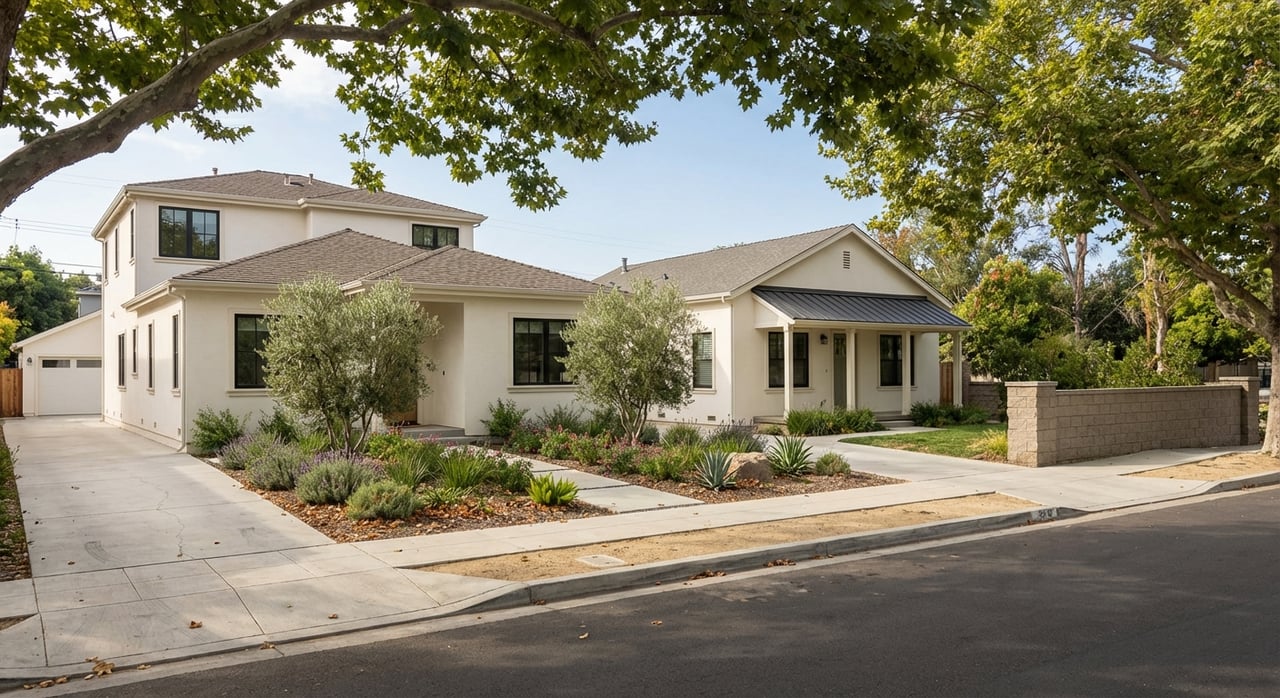
You know Riverside is the right city. Now you just need to zero in on the right neighborhood for your life, commute, and budget. That choice shapes your day-to-day more than almost any other decision in the buying process. If you want character homes near downtown, hillside views by UCR, or newer master-planned pockets on the southeast side, you have great options.
In this guide, you’ll learn how to compare Riverside neighborhoods the smart way. You’ll see how commute, parks, housing types, schools, and local hazards differ by area, plus get practical checklists to use on tours. Let’s dive in.
How to compare neighborhoods
Start with your priorities
Begin by listing your must-haves and nice-to-haves. Focus on five pillars:
- Commute to work or school and access to regional transit.
- Parks and recreation within a short walk or drive.
- Housing types and price range that fit your budget and style.
- Schools and services that support your routines.
- Safety and hazards using verified maps and multi-year data.
City-level indicators show Riverside’s median listing price tends to sit in the high-$600Ks, roughly $645,000 to $680,000 as of early 2026, depending on the source. Use this as a starting point, then narrow to neighborhood pockets that match your budget.
Commute and transit
Riverside’s main freeways are SR‑91, I‑215, and CA‑60. Peak-hour congestion is common, so test your door-to-door time during rush hour from each neighborhood you’re considering.
- Check the location and frequency of Metrolink service. Riverside has multiple stations, including Riverside–Downtown, Riverside–La Sierra, and Riverside–Hunter Park/UCR. Review lines and stations on the Metrolink lines and stations overview and get station details for Downtown Riverside.
- If you prefer transit, rank neighborhoods by proximity to a station. Walking or a short bus ride to a Metrolink stop can be a major quality-of-life upgrade.
- For each contender, record AM and PM commute times on two or three typical weekdays.
Parks, trails, and open space
Riverside has standout open spaces that shape neighborhood feel.
- If lake views, boating, or a big city park are on your list, note distance to Fairmount Park and its amenities. The City continues to invest in programming and lake projects, including seasonal activities like pedal boats. Learn more from the City’s update on Fairmount Park amenities and programs.
- For walkable city views and holiday traditions, check proximity to Mount Rubidoux and its paved summit trail. The City’s downtown-neighborhoods overview highlights this local landmark and surrounding districts. See the City’s At Home in Riverside overview for context.
- For longer hikes, mountain biking, and hillside scenery, map drive times to Sycamore Canyon and Box Springs trail networks. The county maintains habitat and trail resources in these preserves. Review regional open-space context in the county’s MSHCP resource.
Tip: For each neighborhood, write down walk and drive times to the nearest major park or trailhead, then list the amenities that matter to you, like playgrounds, ballfields, dog parks, or a community center.
Home types and price ranges
Prices vary by provider and change quickly, so think in ranges. Here is how typical Riverside pockets often line up:
- UCR-adjacent hillsides like Canyon Crest trend mid to upper price brackets for the city, with a mix of single-family homes, some townhomes, and scenic pockets.
- Historic areas near downtown, like the Wood Streets, feature Craftsman, Spanish, and bungalows, often in the mid ranges citywide depending on lot size and condition.
- Master-planned areas like Orangecrest and Mission Grove skew newer and often price above the city average for larger floor plans.
- La Sierra and La Sierra South offer a mix of older tracts and newer infill and are popular for value seekers and Metrolink access.
- Larger-lot hillside neighborhoods like Hawarden Hills, Victoria, and Alessandro Heights typically sit in higher price brackets, with privacy and views.
Note: Prices move month to month. Before touring, verify current medians and active inventory for your short list with an agent and the MLS.
Schools and services
Most Riverside neighborhoods are served by Riverside Unified School District. Attendance zones can change and some programs have special enrollment rules. Always confirm address-level assignment on the district site and review program details. Start with the Riverside Unified School District site.
Safety and hazards
Use multi-year, map-based resources and look at trends rather than single snapshots.
- For city-level context, review aggregated FBI-derived data and then dive into local maps for specific areas. You can start with Riverside’s profile on the Crime Data Explorer aggregator, then consult local police resources for block-level detail.
- For wildfire exposure, hillside and wildland-adjacent homes can carry elevated risk. Review state hazard severity zones and address-level tools. UCLA’s overview of California fire hazard mapping is a helpful starting point: wildfire hazard map resources.
- For flooding, confirm whether an address falls in a FEMA flood zone using county GIS services before you write an offer. Check the county’s flood hazard map service.
Snapshot: popular Riverside neighborhoods
These quick profiles help you compare style, price tendencies, commute, and nearby amenities. Always confirm current listings and recent comparable sales.
Canyon Crest
- Housing: Single-family homes, some townhomes, pockets of newer subdivisions. Many homes sit on hillsides with views and access to green space.
- Price tendencies: Often upper-$600Ks to low-$700Ks on typical medians, depending on the pocket and home size. Verify current numbers before touring.
- Commute and transit: Convenient to UC Riverside, close to the Riverside–Hunter Park/UCR Metrolink station for certain commutes.
- Parks and trails: Near Sycamore Canyon and Box Springs trail networks for hiking and biking.
Wood Streets and downtown-adjacent
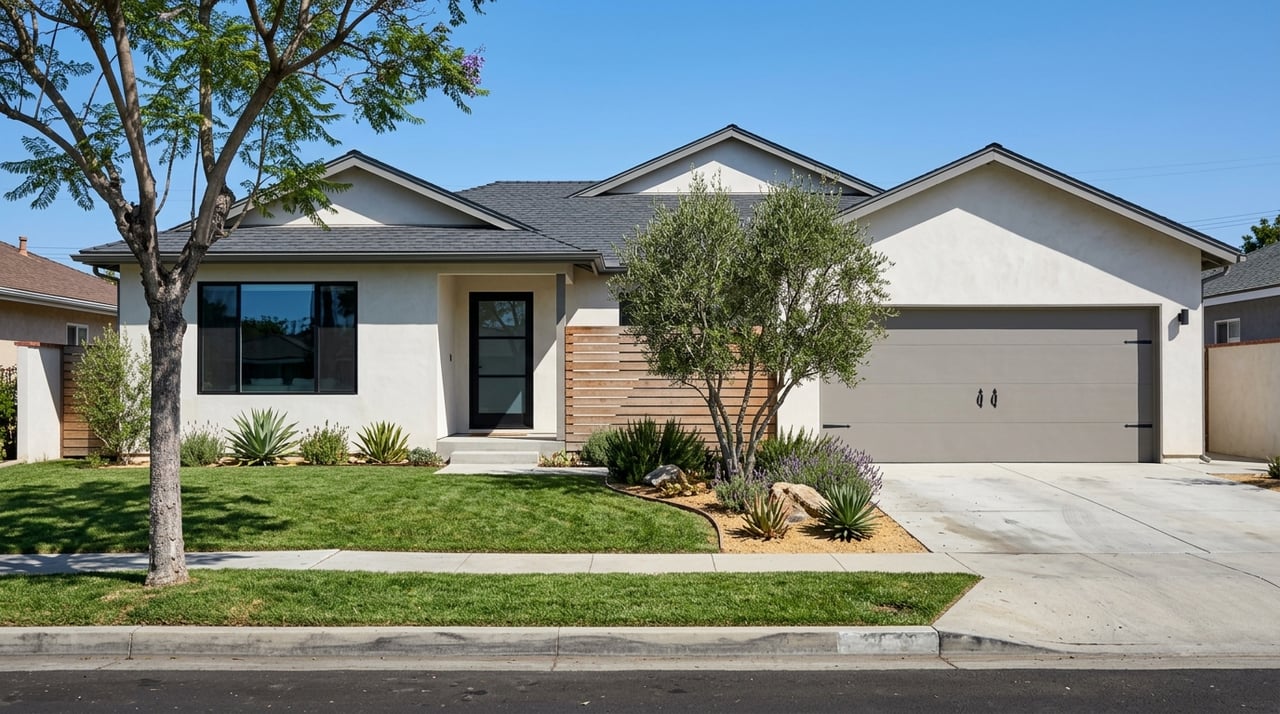
- Housing: Historic Craftsman, Spanish, and bungalow homes with tree-lined streets and character-rich architecture.
- Price tendencies: Often mid-$600Ks for typical medians, with wide variation by lot, condition, and historic features.
- Commute and transit: Close to civic and arts hubs downtown, near the Riverside–Downtown Metrolink station for regional train access.
- Parks and trails: Easy access to Mount Rubidoux and a short drive to Fairmount Park’s lakes and amenities.
Orangecrest and Mission Grove
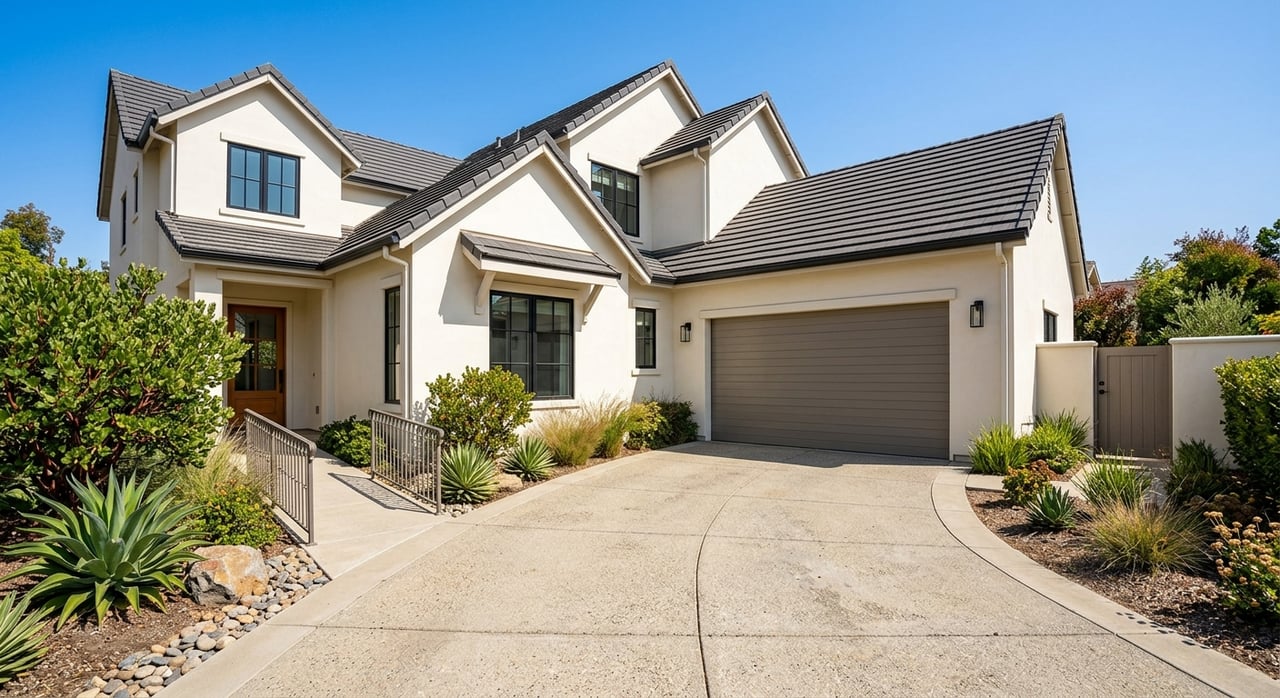
- Housing: Newer master-planned neighborhoods with larger single-family homes and community parks.
- Price tendencies: Commonly above the city’s overall average for larger square footage and updated construction.
- Commute and transit: Southeast Riverside location with freeway access via I‑215 and CA‑60 corridors.
- Parks and trails: Multiple neighborhood parks, reasonable drive to Sycamore Canyon trailheads.
La Sierra and La Sierra South
- Housing: Mix of older tracts with some newer pockets, often a budget-friendlier option within city limits.
- Price tendencies: Frequently at or below the city median for single-family homes, depending on age and updates.
- Commute and transit: Direct access to SR‑91 and the Riverside–La Sierra Metrolink station, which matters for Orange County commuters.
- Parks and trails: Neighborhood parks, with a drive to Fairmount Park or Santa Ana River trail access points.
Hawarden Hills, Victoria, and Alessandro Heights
- Housing: Larger lots, hillside settings, and privacy-focused layouts. Many homes feature views and generous yards.
- Price tendencies: Higher medians citywide, reflecting lot size, location, and home scale.
- Commute and transit: Generally car-oriented pockets with freeway access via SR‑91 and local arterials.
- Parks and trails: Quick access to Victoria Avenue greenbelt corridors and a drive to Mount Rubidoux or Fairmount Park.
Your neighborhood comparison worksheet
Use this checklist to compare 2 to 4 finalists. Print it or copy into a note on your phone for tours.
For each neighborhood, fill in:
- Name of neighborhood and zip code(s)
- Typical housing types and lot sizes
- Price band: low, typical, high, and price-per-sq-ft, plus your data source and date
- Typical year built: mostly pre‑1950, 1950–1989, or 1990–now
- Commute time to your main worksite at AM and PM peak, door to door, tested on 2–3 weekdays
- Closest Metrolink station and expected weekday frequency
- Walk Score, Bike Score, and Transit Score
- Assigned elementary, middle, and high school; district notes and any program considerations
- Parks and open space within X miles, with names and distances
- Reported crime trend over 3 years, with a link to the map you used
- Wildfire and flood hazard status, with the maps you referenced
- HOA presence and estimated monthly fee range, if applicable
- Typical days on market and current inventory, with date of your data pull
- Resale or rental-demand notes, like student rental demand near UCR or commuter demand near Metrolink
Touring checklist for showings
At each home, take quick notes you can compare later:
- Arrival and curb: on-street parking, street lighting, traffic noise, and any industrial or agricultural smells.
- Neighboring properties: general upkeep, fence heights, visible solar panels, and the number of cars on the street.
- Yard and drainage: standing water, slope away from foundation, and tree placement that could affect maintenance.
- House envelope: visible roof condition, paint and trim, gutters, and fencing.
- Interior: ages of HVAC and water heater if available, and any visible cracks or water stains.
- Connectivity: cell signal for your carrier and available internet providers.
- Orientation: where the sun hits morning and evening, which can affect comfort and cooling costs.
- Community feel: pedestrian activity, park usage, and signs of community programming nearby.
Action plan and next steps
- Narrow to 2–4 neighborhoods using the worksheet above.
- Get pre-approval and confirm your price range. Neighborhood medians are only a starting point.
- Ask your agent for recent comparable sales from the last 90 days for each target pocket.
- Run address-level checks before offers: confirm school boundaries, review crime maps, and verify wildfire and flood risk using the resources linked above.
- Tour potential homes twice at different times of day using the checklist.
If you want a trusted local guide to help you compare neighborhoods, test commutes, and pull hyper-local comps, reach out to Casey Garduno. With 25+ years of Inland Empire experience and a hands-on approach, you’ll get clear answers and a plan that fits your life.
FAQs
What budget fits most Riverside neighborhoods in 2026?
- City-level indicators place Riverside’s median listing price in the high-$600Ks, roughly $645,000 to $680,000 as of early 2026, though neighborhood pockets vary, so verify current numbers before touring.
How do I commute from Riverside to Orange County efficiently?
- Rank neighborhoods by access to SR‑91 and proximity to the Riverside–La Sierra Metrolink station, then time your door-to-door AM and PM trips at peak hours to compare freeway versus train options.
How can I check school boundaries for a Riverside address?
- Confirm attendance zones and program details directly with the district using the Riverside Unified School District site, since boundaries and enrollment rules can change.
How should I evaluate safety in a Riverside neighborhood?
- Review multi-year trends and map-based data; start with city-level context on the Crime Data Explorer aggregator and then consult local police maps for block-level detail.
Is wildfire or flood risk a concern in Riverside neighborhoods?
- Hillside and wildland-adjacent areas can carry elevated wildfire risk and some low-lying areas may have flood exposure; check state fire hazard resources via UCLA’s wildfire hazard overview and confirm FEMA zones using the county’s flood hazard map.