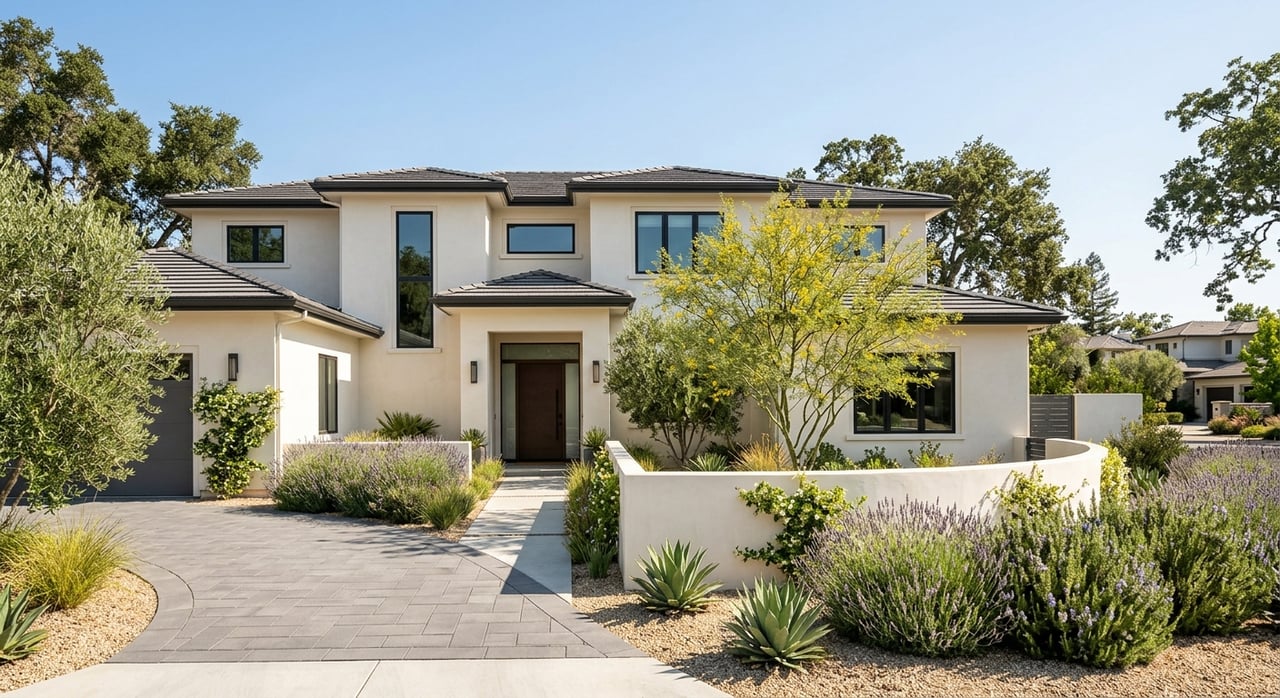
Trying to decide whether to buy in San Bernardino or stretch into a nearby city? You are not alone. Many Inland Empire buyers start with a price target, then realize the better question is what kind of daily life, home style, and commute they want for that budget. This guide will help you compare San Bernardino, Highland, Redlands, and Riverside so you can make a more confident move. Let’s dive in.
Start With the Price Gap
If budget is your first filter, San Bernardino stands out as the most affordable option in this group. March 2026 median sale prices were about $515,000 in San Bernardino, compared with $620,000 in Highland, $632,500 in Riverside, and $692,800 in Redlands.
That same pattern shows up in Census owner-occupied home values. San Bernardino comes in lowest, followed by Highland, then Riverside, with Redlands highest. In simple terms, you may get a lower entry point in San Bernardino, while the other cities often ask you to pay more for a different housing mix, setting, or lifestyle.
Compare the Home Options
San Bernardino Housing Mix
San Bernardino offers the broadest value-oriented entry point of the four cities. According to the city’s housing element, about 60% of the housing stock is detached single-family, but there is also a larger share of multifamily housing and mobile homes than in some nearby cities.
That matters if you want flexibility. You may find single-family homes, smaller multifamily properties, or other options at a lower price point, but you may also see more variation in age, condition, and block-to-block housing consistency.
Highland Home Profile
Highland has a more suburban housing pattern. Its housing element describes detached homes as about three-quarters of the housing stock, which points to a stronger single-family focus than San Bernardino, Riverside, or Redlands.
If you want a more ownership-oriented feel, Highland may appeal to you. Census data shows owner-occupancy is highest here at 64.1%, compared with 50.0% in San Bernardino, which suggests Highland has a more owner-heavy mix overall.
Redlands Housing Character
Redlands blends a strong single-family base with a well-known historic identity. Its housing stock is about 64.0% detached homes, with meaningful shares of attached and multifamily housing as well.
You may be drawn here if you like homes with character, established areas, and a downtown with a distinct sense of place. Two- and three-bedroom units make up large shares of the city’s housing, and buyers often pay a premium for Redlands’ historic appeal and local identity.
Riverside Housing Variety
Riverside has the most visibly mixed urban and suburban housing stock in this comparison. The city’s housing element shows about 63.7% detached homes and nearly 23.9% multifamily housing with five or more units.
That wider mix can be useful if you want more than one path into homeownership. Depending on your goals, you may find detached homes, condos, apartments, and mixed-use settings that fit different budgets and lifestyle preferences.
What Your Budget Really Buys
A home search is not just about square footage or list price. It is also about the full bundle you are buying, including housing type, setting, transit access, nearby amenities, and the overall feel of the area.
Here is the simplest way to think about these four cities:
| City | General Price Position | Housing Feel | Best Fit for Buyers Who Want |
|---|---|---|---|
| San Bernardino | Lowest of the group | More varied housing mix | Lower entry price and more flexibility on housing type |
| Highland | Mid-range | More suburban and owner-heavy | A single-family focused setting with access to the 215 and 10 corridors |
| Redlands | Highest of the group | Character-driven and historic | A walkable downtown feel and strong local identity |
| Riverside | Higher-priced | Broad urban-suburban mix | More amenities, institutions, and housing variety |
Think Beyond Price Alone
Commute Time Differences
It is easy to assume the cheapest city means the hardest commute or that the most expensive city means the best location for work. The data shows it is not that simple.
Census QuickFacts reports average commute times of 24.9 minutes in Redlands, 29.7 in San Bernardino, 30.4 in Highland, and 31.3 in Riverside. That means your best choice depends less on city reputation and more on where you work, how often you commute, and what kind of home you want.
Transportation Access
All four cities are still largely car-oriented, but each one functions a little differently. San Bernardino is the strongest transit node in this group, with Omnitrans service and the San Bernardino Transit Center serving major destinations.
Highland offers convenient access to the 215 and 10 freeways. Redlands sits near several major freeway connections and is known for easy access into and around its downtown. Riverside combines transit and parking infrastructure with a larger regional employment core.
Lifestyle Differences Matter
Why Buyers Choose San Bernardino
San Bernardino often works well for buyers who want the lowest entry price and are open to a broader range of housing types. It can be a practical choice if your top goal is getting into the market without pushing your budget as far as you might need to in nearby cities.
It also stands out for transit-connected convenience and access to parks and recreation. If you are comfortable trading some housing consistency for affordability, San Bernardino may offer the strongest value case.
Why Buyers Choose Highland
Highland tends to attract buyers who want a more suburban feel. The city is described as primarily residential, with strong access to the 215 and 10 corridors, trail connections, and mountain proximity.
If you picture a more ownership-heavy setting with a larger detached-home presence, Highland may strike the right balance. It often lands in the middle for buyers who want more suburban housing than San Bernardino, but a lower price point than Redlands.
Why Buyers Choose Redlands
Redlands is often the choice for buyers who care deeply about character and place identity. The city highlights its historic downtown, Redlands Bowl, Kimberly Crest, parks, trails, and citrus heritage, all of which contribute to its distinct feel.
That identity usually comes at a higher price. If your budget can stretch, Redlands may feel worth it for the combination of historic charm, a walkable core, and a strong family-home mix.
Why Buyers Choose Riverside
Riverside appeals to buyers who want the broadest amenity base. Its downtown includes museums, arts programming, major civic facilities, university presence, and a larger urban core than the other cities in this comparison.
It can be a strong fit if you want more activity, more services, and more housing variety in one market. For some buyers, that trade-off justifies the higher price point compared with San Bernardino.
How to Narrow Your Choice
If you are stuck between these cities, try ranking your priorities before you tour homes. That can save you time and help you focus on the right inventory.
Ask yourself:
- Do you want the lowest possible entry price?
- Do you prefer a mostly single-family setting?
- Is historic character important to you?
- Do you want a larger downtown or more cultural amenities?
- How much does commute time affect your daily routine?
- Are you open to older or more varied housing stock?
In many cases, the answer becomes clearer once you stop asking, “Which city is best?” and start asking, “Which city gives me the right mix for my budget?”
A Smart Way to Tour These Areas
When you compare San Bernardino, Highland, Redlands, and Riverside, it helps to view them in person with a plan. Tour a few homes in each city at a similar price point, then compare what changes from place to place.
You may notice that San Bernardino gives you more affordability, Highland offers a more suburban single-family feel, Redlands delivers stronger character, and Riverside provides the broadest amenity mix. Seeing those trade-offs side by side can make your decision much easier.
With more than 25 years of Inland Empire experience, Casey understands how to help buyers weigh price, commute, home type, and long-term goals without overcomplicating the process. If you want help comparing your options in San Bernardino and nearby cities, schedule a free consultation with Casey Garduno.
FAQs
How do San Bernardino home prices compare with nearby cities?
- San Bernardino is the most affordable of the four cities in this comparison, with a March 2026 median sale price of about $515,000, below Highland, Riverside, and Redlands.
What kind of homes are most common in San Bernardino?
- San Bernardino is still mostly single-family, with about 60% detached homes, but it also has a broader mix of multifamily housing and mobile homes than some nearby cities.
Is Highland more suburban than San Bernardino?
- Yes. Highland’s housing stock is more heavily weighted toward detached homes, and it has a higher owner-occupancy rate, which points to a more suburban and ownership-oriented profile.
Why do buyers pay more for Redlands homes?
- Redlands often commands higher prices because buyers value its historic character, walkable downtown, parks and trails, and strong local identity.
What makes Riverside different from San Bernardino, Highland, and Redlands?
- Riverside offers the broadest mix of housing, amenities, institutions, and downtown activity, which can appeal to buyers who want a larger urban core and more lifestyle options.
Which city has the shortest average commute time in this group?
- Redlands has the shortest reported average commute time at 24.9 minutes, compared with San Bernardino, Highland, and Riverside.
Is San Bernardino the best option for first-time buyers on a tighter budget?
- It can be a strong option for buyers focused on a lower entry price and flexible housing choices, especially if they are open to more variation in housing age, type, and condition.